
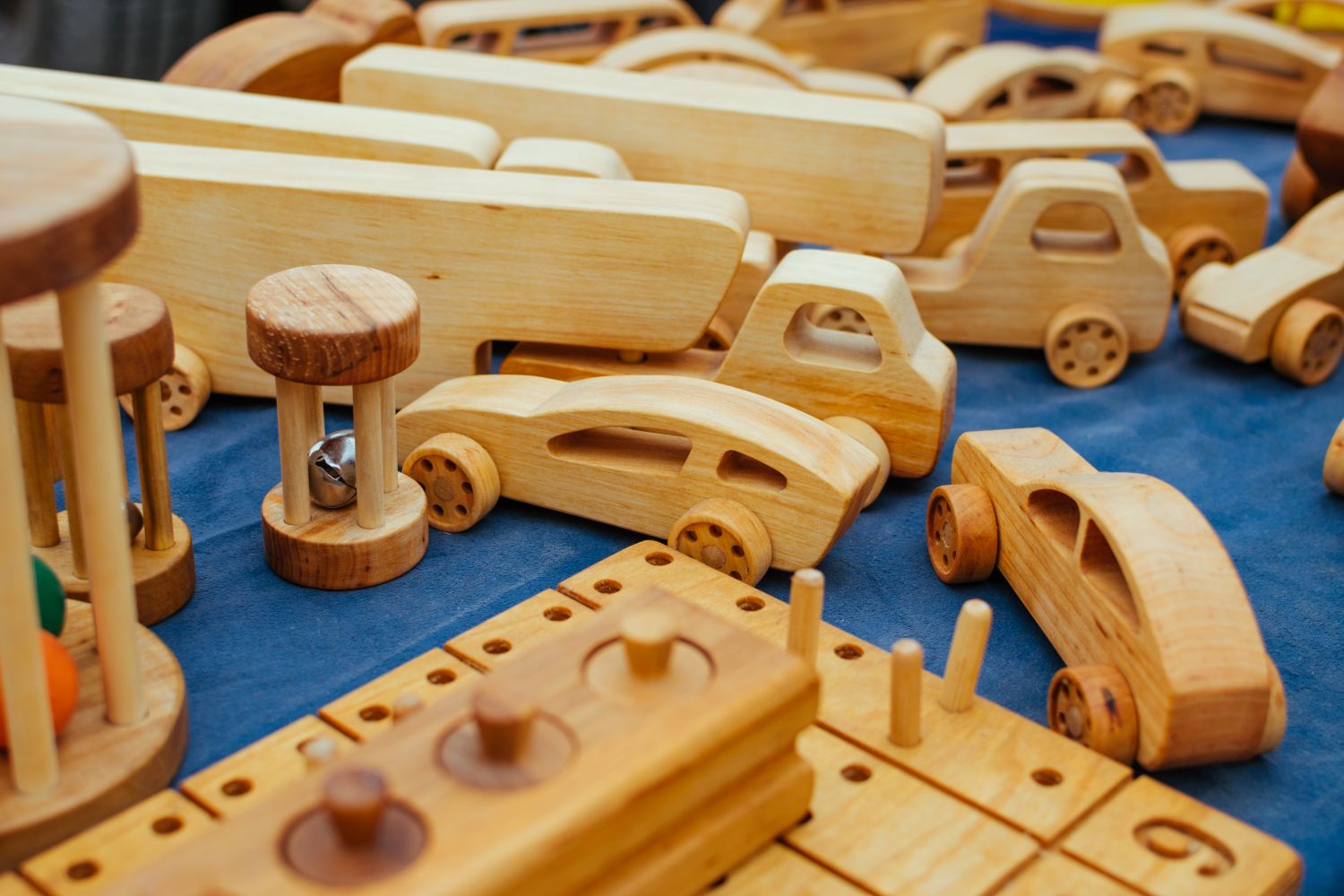
Wooden toys possess a rich history that spans centuries, enchanting both children and adults alike. Their origins reflect a significant evolution from simple handcrafted items to sophisticated modern designs. These toys offer developmental advantages for children, promoting creativity and learning. The use of eco-friendly materials and sustainable production methods makes wooden toys a responsible choice for families who prioritise environmental consciousness. Popular designs seamlessly integrate tradition with innovation, celebrating the enduring charm of wooden toys. This exploration invites you to engage with the captivating world of wooden playthings.
The History of Wooden Toys
The history of wooden toys presents a captivating narrative that traces their origins to ancient civilisations, where skilled artisans crafted these enduring items from natural materials, embodying the craftsmanship techniques of their era.
Over the years, wooden toys have undergone considerable evolution, featuring designs that convey cultural significance and embody the legacy of craftsmanship heritage.
From straightforward hand-carved figures to elaborately designed puzzles and vehicles, the progression of wooden toys underscores not only their durability but also their nostalgic charm as treasured artefacts of childhood memories.
Origins and Evolution of Wooden Toys
The origins of wooden toys can be traced back to ancient cultures that valued craftsmanship and the importance of handmade items. These toys were often constructed from locally sourced materials, reflecting both the creativity and skills of local artisans.
Along with providing entertainment for children, these early toys held significant cultural importance, often embodying traditions and values that were passed down through generations. Crafted from durable hardwoods such as oak or maple, these toys were designed to withstand the test of time, ensuring they became treasured family heirlooms.
As the years progressed, modern adaptations introduced vibrant paints and unique designs, effectively merging traditional elements with contemporary influences. Today’s wooden toys often embody a blend of traditional craftsmanship and modern aesthetics, appealing to both children and adults who appreciate the beauty and quality inherent in handmade creations.
Benefits of Wooden Toys for Children
Wooden toys provide a variety of benefits for child development, including the promotion of creativity, the enhancement of motor skills, and the support of sensory development.
As such, they represent an excellent choice for parents seeking to incorporate educational value into their children’s playtime activities.
Developmental and Educational Benefits
The developmental and educational advantages of wooden toys are significant, as they promote interactive play and provide a tactile experience that engages children’s senses and fosters creativity.
These toys not only encourage imaginative exploration but also enhance fine motor skills, critical thinking, and problem-solving abilities through hands-on engagement. Their durability ensures that they can endure the demands of active play, making them a long-lasting investment for families.
Many wooden toys are constructed from child-safe materials, offering reassurance to parents while ensuring a safe play environment. By integrating vibrant designs with educational themes, wooden toys support a child’s learning journey, transforming playtime into a valuable experience that nurtures both cognitive and social development.
Sustainability and Environmental Impact of Wooden Toys
Sustainability and environmental impact are pivotal factors contributing to the increasing popularity of wooden toys.
These toys are typically made from eco-friendly, sustainable materials, positioning them as a responsible choice for parents who prioritise both their children’s health and the well-being of the planet.
Eco-friendly Materials and Production Methods
Eco-friendly materials used in wooden toys encompass various types of wood, including birch, maple, walnut, and others, all sourced from local artisans committed to sustainable practices and small-batch production.
Each type of wood contributes unique qualities to the toys. Birch wood is recognised for its durability and smooth grain, making it particularly suitable for younger children. Maple wood, praised for its hardness, not only withstands vigorous play but also features a light colour that enhances the visual appeal of any toy. Walnut wood, distinguished by its rich hue and striking patterns, adds aesthetic charm while ensuring structural integrity.
The craftsmanship of local artisans enriches each piece, fostering a meaningful connection to tradition and community. Furthermore, small-batch manufacturing significantly minimises waste and promotes environmentally friendly practices, ultimately resulting in toys that are not only safe for children but also more considerate of the planet.
Popular Types of Wooden Toys
Popular categories of wooden toys include a diverse array of products, featuring traditional items such as building blocks and wooden puzzles, along with contemporary adaptations like wooden vehicles, dolls’ houses, and distinctive action figures designed to stimulate imaginative play.
Traditional and Modern Designs
Traditional designs of wooden toys are distinguished by their craftsmanship and aesthetic appeal, often embodying minimalist design principles that evoke a sense of nostalgia. In contrast, modern designs incorporate playful elements that engage children in interactive play.
The intricate craftsmanship of vintage toys frequently highlights the artistry of woodworkers, showcasing detailed carvings and hand-finishing techniques that impart a unique character to each piece. Conversely, contemporary designs prioritise functionality and engagement, utilising vibrant colours and movable components that stimulate a child’s imagination.
While traditional toys may promote quieter, imaginative play, the playful features present in modern wooden toys encourage active participation, effectively blending learning with entertainment.
This evolution not only reflects changing preferences and trends but also signifies a deeper understanding of how children interact with their environment, enabling them to explore creativity through both structured and unstructured play.
